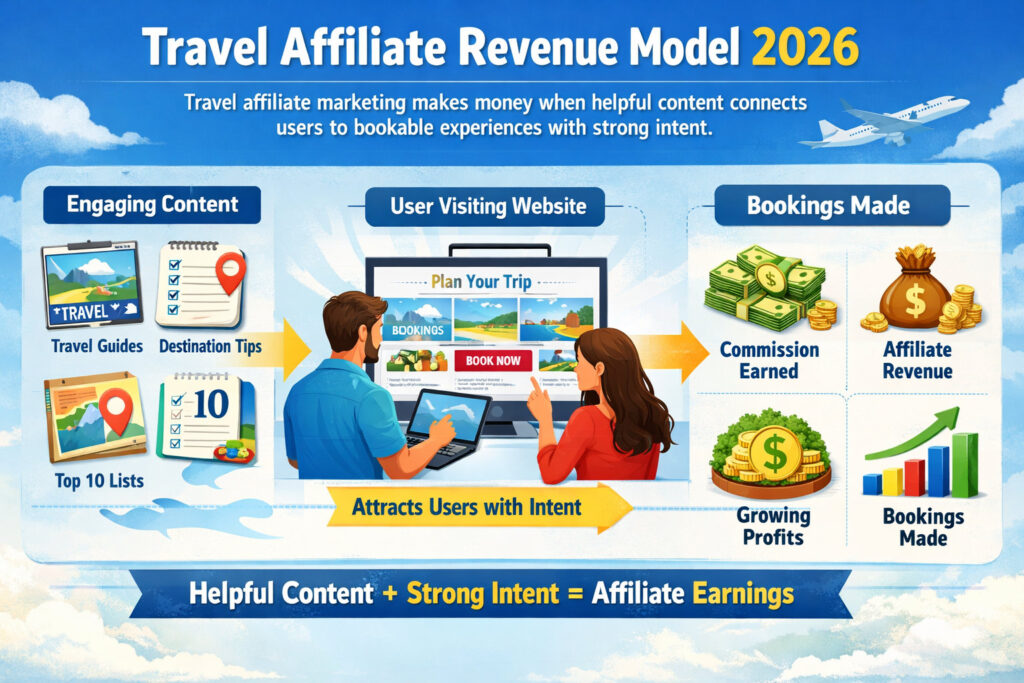
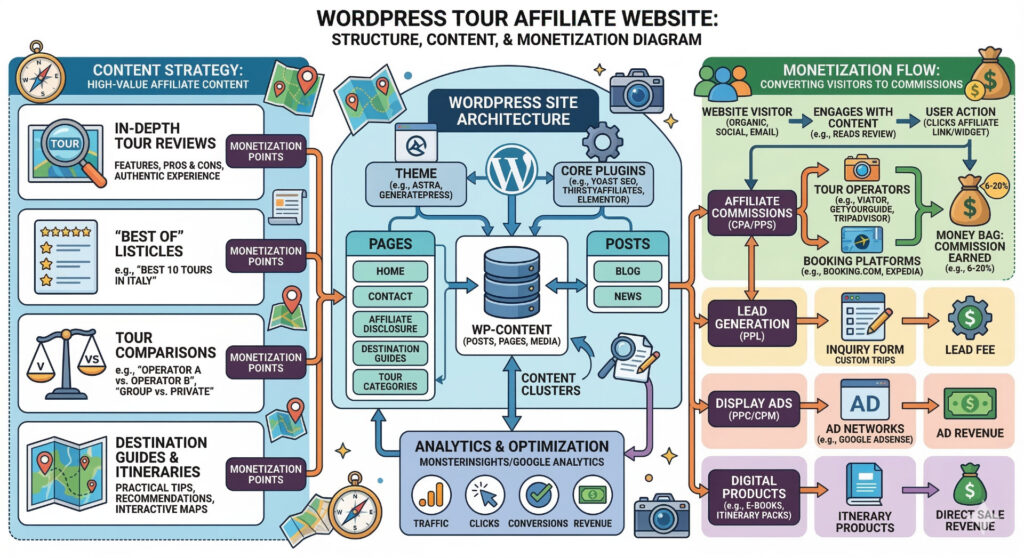
A travel affiliate blog can absolutely generate passive income, but only if you build it like a real digital asset instead of a casual blog with a few random affiliate links. The sites that usually earn consistent commissions have three things in common: they choose a focused niche, publish content around real booking intent, and connect readers to bookable experiences in a way that feels useful and seamless.
If you are starting from zero, the goal is not to write dozens of generic travel posts and hope that traffic somehow turns into revenue. The smarter approach is to create a blog that helps people make travel decisions and gives them a clear path to book the experiences they already want.
What is a travel affiliate blog?
A travel affiliate blog is a content website that earns money by recommending travel-related products or services and receiving a commission when a reader completes a booking through an affiliate link or tracked referral path.
For most beginners, the best entry point is not flights or hotels. It is tours, activities, and experiences. That category fits naturally into destination content, city guides, itinerary posts, and “best things to do” articles. When your content helps someone decide what to book, affiliate monetization feels helpful instead of intrusive.
If you are still mapping the bigger model, this pairs well with how to make money with travel affiliate marketing in 2026 and the ultimate guide to automated travel affiliate websites.
Is travel affiliate income really passive?
Not in the fantasy version of passive income.
In reality, travel affiliate income is more like front-loaded work with long-tail upside. You do the hard work first: choosing a niche, setting up the site, publishing strong articles, and building a useful internal linking system. Once those pages start ranking and attracting the right readers, they can continue sending qualified clicks and commissions over time.
That is what makes this model powerful. A useful article can keep working long after you publish it.
Step 1: Choose a travel niche you can actually scale
The biggest mistake beginners make is trying to cover “travel” as a whole.
That is too broad, too competitive, and too vague to monetize well.
A stronger niche usually looks more like this:
- food and cultural tours
- family-friendly city experiences
- first-time visitor itineraries
- Europe day trips
- luxury experiences
- niche destination activity guides
The right niche sits where three things overlap:
- real search demand
- clear booking intent
- enough depth to build authority over time
For example, “best food tours in Rome” is a much better affiliate topic than “Italy travel tips.” The first topic is closer to a booking decision. The second is broad, diluted, and much harder to convert.
Step 2: Start with the right affiliate partner from day one
This is where many travel blogs get off track early.
They create content first, then try to bolt monetization onto the site later. That usually leads to a messy setup with scattered links, weak tracking, and no real system.
A better move is to choose the affiliate infrastructure from the beginning.
Why Viator’s Affiliate API is the best place to start
If your goal is to build a travel affiliate blog around tours and experiences, Viator’s Affiliate API is one of the strongest places to start.
It is built for partners who want to merchandise travel experiences while earning commission on bookings. That makes it a natural fit for destination guides, tour comparisons, “best things to do” pages, and other content that sits close to booking intent.
Viator also works especially well for bloggers who want a practical path from content to monetization. Instead of relying on a patchwork of random tools, you can start with a recognizable tours-and-experiences ecosystem and structure your site around real traveler decisions from the first content cluster onward.
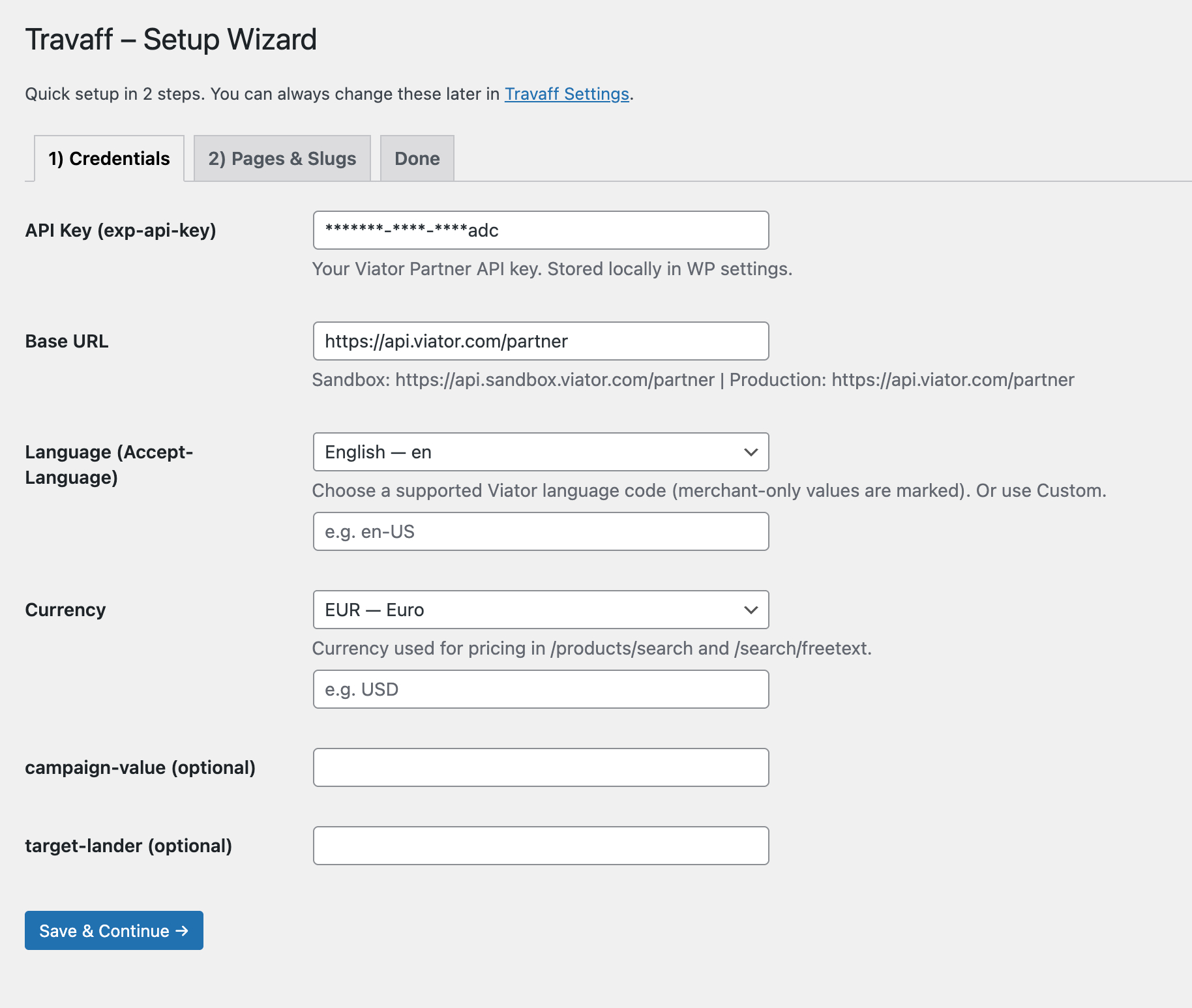
Why Travaff’s Viator Affiliate API WP Plugin makes the start easier
Once Viator is your affiliate foundation, the next practical question is implementation.
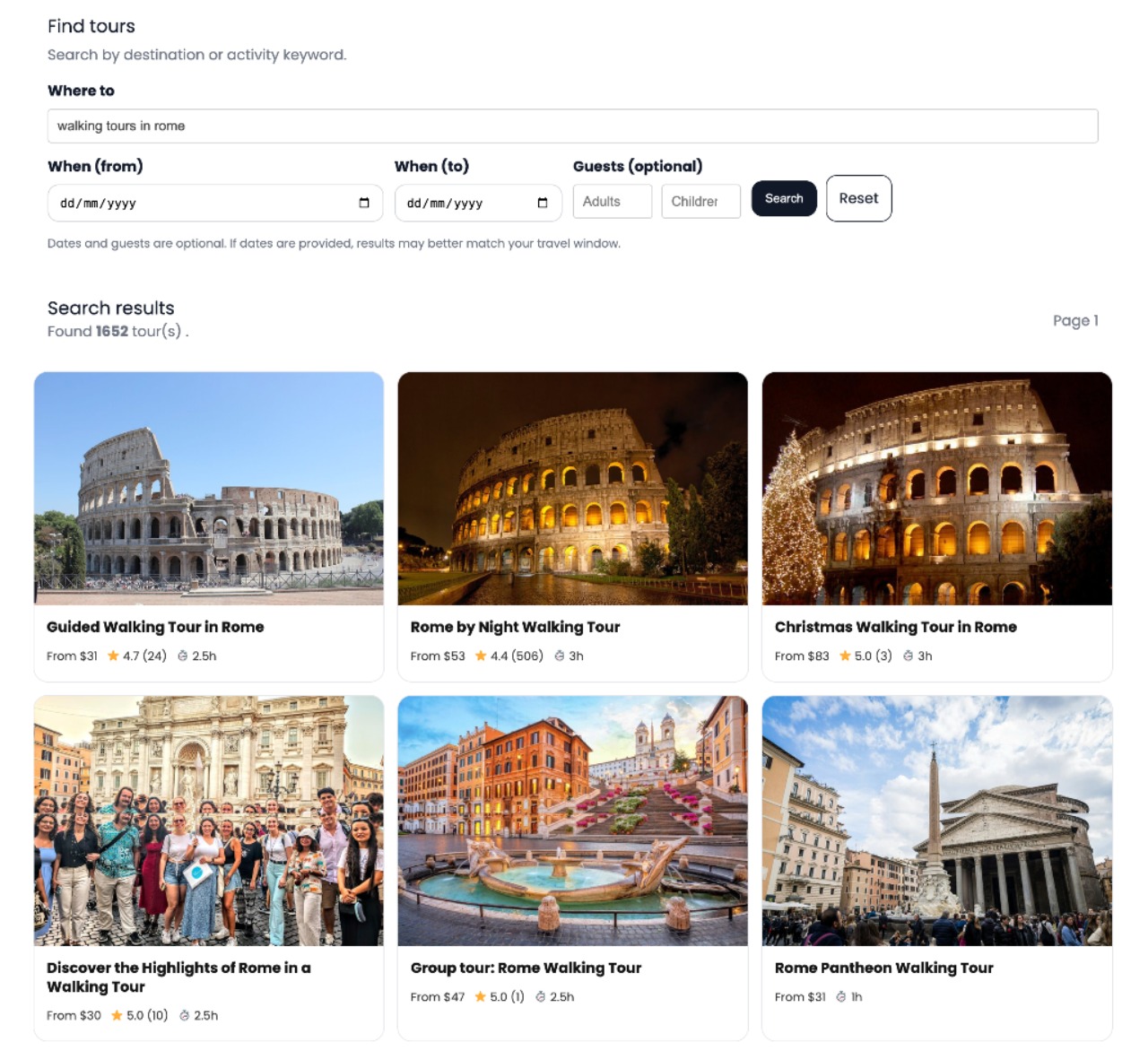
This is exactly where Travaff’s Viator Affiliate API WP Plugin becomes valuable from day one.
Instead of manually managing links, formatting tour blocks by hand, or trying to make a basic setup look more advanced than it is, you can start with a WordPress plugin built specifically for Viator’s affiliate workflow. That gives you a cleaner system from the beginning and lets you focus more on content and less on repetitive setup work.
This is also why it connects naturally with how to build a travel affiliate website with WordPress plugins, the best way to build a tour affiliate website on WordPress, and travel affiliate API vs manual affiliate links: which is better?.
Step 3: Build your blog on WordPress with a monetization-ready setup
If you want long-term control over SEO, site structure, and monetization, WordPress is still one of the smartest foundations.
But the real point is not just “use WordPress.” It is this: build your blog so monetization is part of the structure from the start.
That means:
- clean categories
- clear destination or niche silos
- internal links planned early
- flexible content templates
- room for plugin-based display modules
- pages that can naturally support affiliate recommendations
If you want to go deeper on structure, link this section to the best way to build a tour affiliate website on WordPress, best travel affiliate tools for publishers in 2026, and how to optimize a travel affiliate funnel for more revenue.
Step 4: Create content around booking intent, not just traffic
One of the fastest ways to waste time in travel affiliate blogging is to chase broad informational traffic with no clear booking angle.
A better content strategy targets decisions.
That includes articles like:
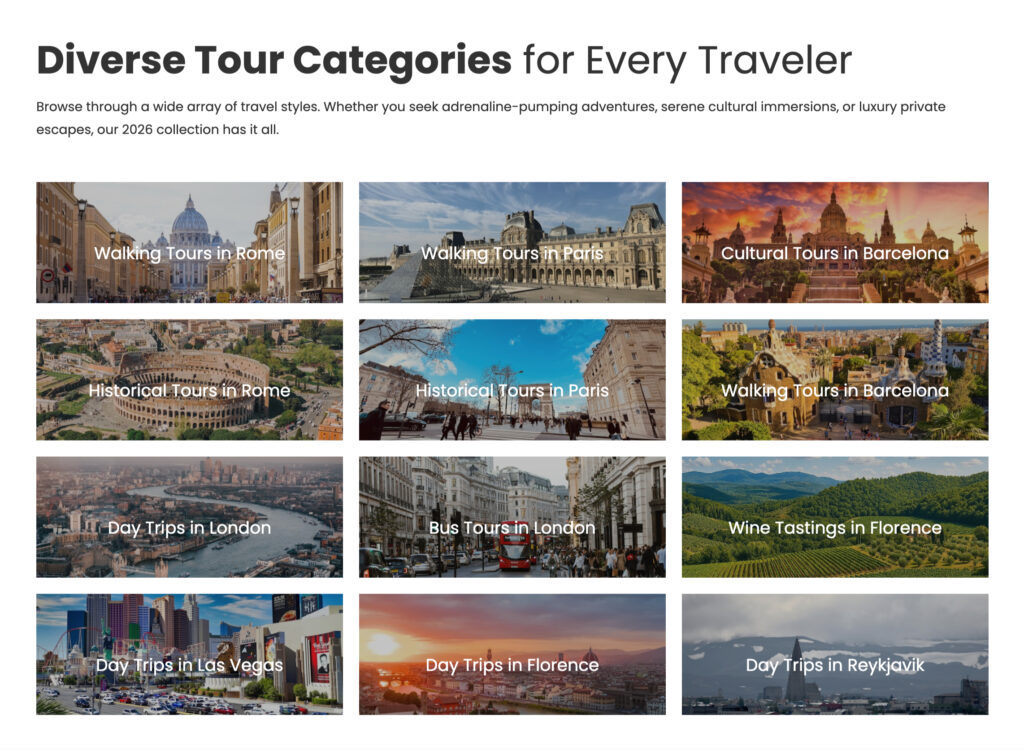
- best tours in [destination]
- is [activity] worth it
- best day trips from [city]
- family-friendly tours in [destination]
- skip-the-line tickets for [attraction]
- best experiences for first-time visitors
These topics perform better because they sit much closer to the moment when a user is deciding what to book.
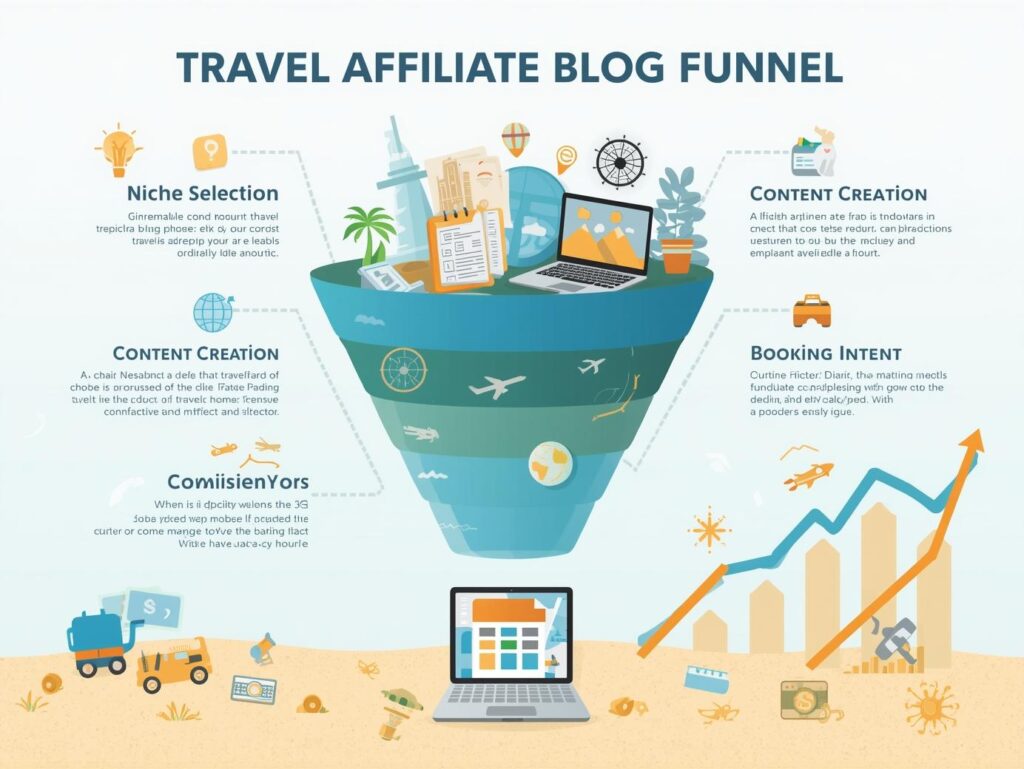
A smart content mix usually includes:
Top-of-funnel content
Destination and planning guides that attract the right audience.
Mid-funnel content
Comparison and recommendation content that helps narrow options.
Bottom-of-funnel content
Booking-intent pages built around tours, activities, and decision-ready use cases.
This is a good place to internally link to how to increase travel affiliate commission without more traffic and how to maximize revenue from Viator affiliate programs.
Step 5: Write blog posts that rank and still feel human
The problem with weak affiliate content is usually not grammar. It is vagueness.
It sounds polished, but it does not actually help the reader make a choice.
The best travel affiliate blog posts usually do three things well:
- answer the main question quickly
- break the decision down clearly
- add real judgment instead of generic filler
A simple structure that works well is:
- start with the direct answer
- follow with a clear breakdown
- expand with context, trade-offs, and recommendations
For example, if you are writing about the best desert safari in Dubai, readers do not need a generic intro to Dubai. They need to know which safari type fits their budget, whether evening or morning tours are better, and what mistakes to avoid before booking.
That is the difference between content that gets skimmed and content that gets trusted.
Step 6: Place affiliate recommendations naturally inside content
The best affiliate placements do not feel like ads. They feel like the next logical step in the article.
That might include:
- a short recommendation block after the main answer
- a “best for” summary
- a simple comparison table
- a featured experience section
- a contextual CTA after explaining who the activity is for
This is where Viator’s Affiliate API and Travaff’s WordPress implementation work especially well together. Viator gives you the affiliate foundation, and Travaff helps you operationalize it inside WordPress without turning every article into a manual linking exercise.
If this part is your focus, add internal links to travel affiliate API vs manual affiliate links: which is better?, the ultimate guide to automated travel affiliate websites, and travaff.com review: is it a smart solution for travel affiliates?.
Step 7: Build a simple internal linking system early
Internal linking is one of the easiest ways to make a travel affiliate blog more strategic.
A strong site should guide the reader from broad informational content into more specific decision-support content and then toward monetized pages.
For example:
- a city guide links to a “best tours” article
- that “best tours” article links to a comparison post
- the comparison post links to a deeper recommendation or destination-specific booking page
This helps search engines understand the structure of your site, and it helps readers move toward action without feeling pushed.
The earlier you build this habit, the easier the site is to scale.
Step 8: Avoid the mistakes that keep most travel affiliate blogs stuck
These are the problems that usually slow travel affiliates down:
Going too broad
You write about everything, so your site builds authority in nothing.
Starting with content but no monetization system
You publish articles, but the affiliate layer is added too late and feels awkward.
Using weak or manual implementation for too long
You spend time managing links instead of improving content and structure.
Publishing generic content
If the article sounds like every other summary on the internet, it will struggle to rank and convert.
Ignoring article flow
A blog post should not only attract traffic. It should move the reader closer to a decision.
A practical 90-day plan for your first travel affiliate blog
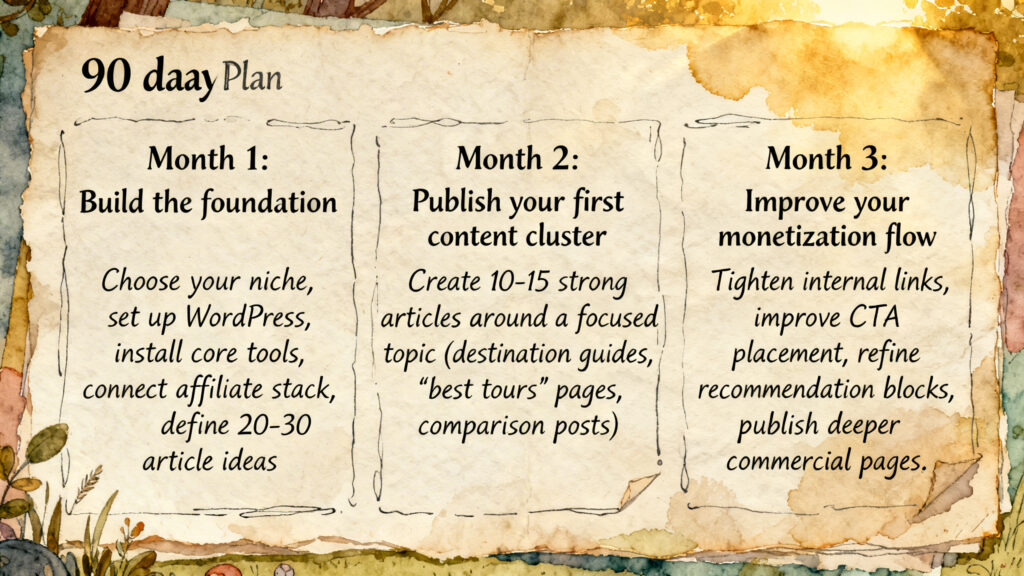
If you want a realistic roadmap, this is a strong first 90 days.
Month 1: Build the foundation
Choose your niche, set up WordPress, install your core tools, connect your affiliate stack, and define your first 20 to 30 article ideas.
Month 2: Publish your first content cluster
Create 10 to 15 strong articles around a tightly focused topic area. Prioritize destination guides, “best tours” pages, and comparison posts that sit close to booking intent.
Month 3: Improve your monetization flow
Tighten internal links, improve call-to-action placement, refine recommendation blocks, and publish deeper commercial pages around your best-performing destinations or activities.
Final thoughts
Starting a travel affiliate blog that generates passive income is not about shortcuts. It is about building a useful content asset that connects search intent with bookable experiences in a way that feels natural and trustworthy.
Choose a niche you can own.
Publish content around decisions, not random traffic.
Use a serious affiliate foundation from the beginning.
And make implementation easy enough that you can focus on content quality and consistency.
For a tours-and-experiences blog, that usually means starting with Viator’s Affiliate API as your core monetization path and using Travaff’s Viator Affiliate API WP Plugin to make WordPress implementation faster, easier, and more structured from day one.